Case study 01
Aorta Compressor Prototype
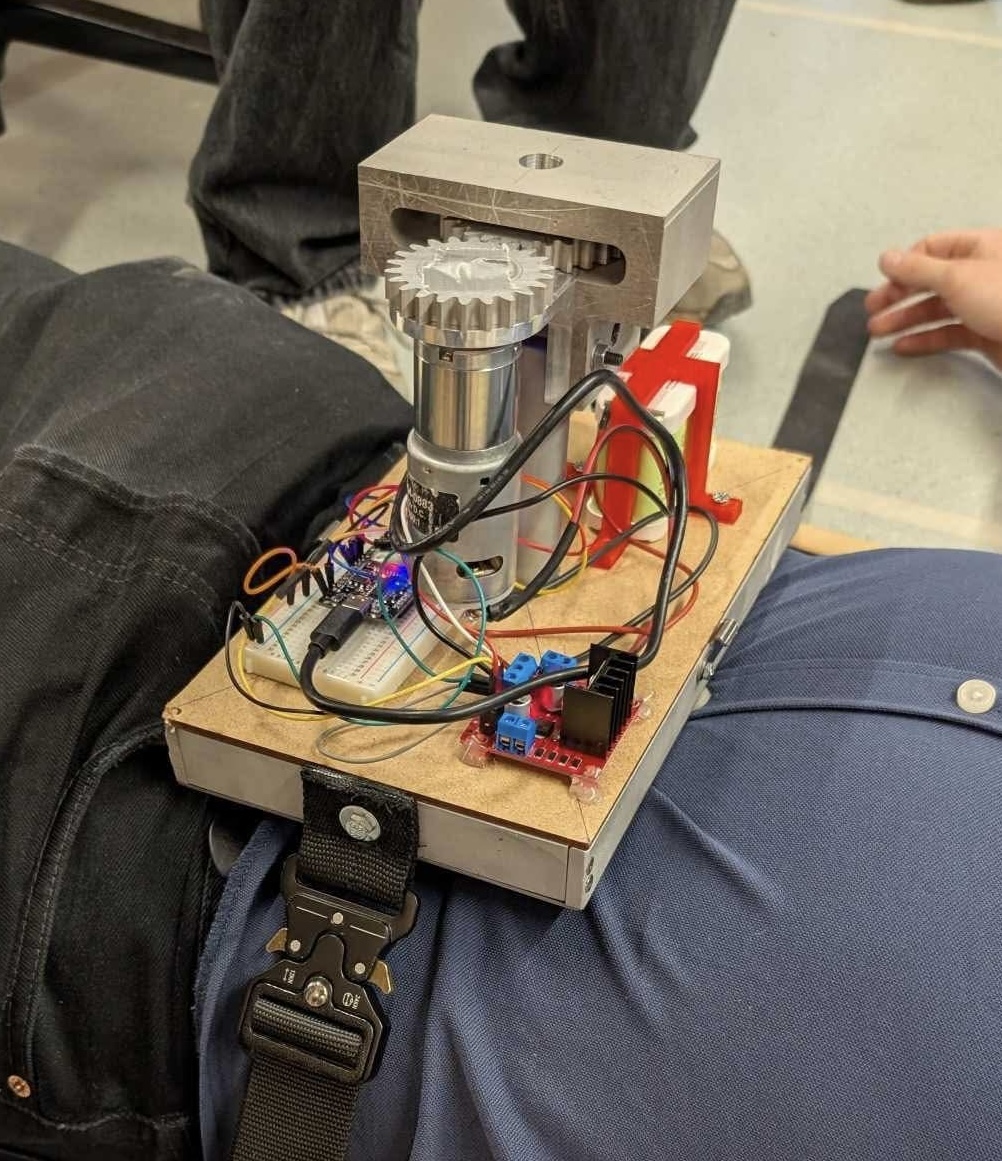
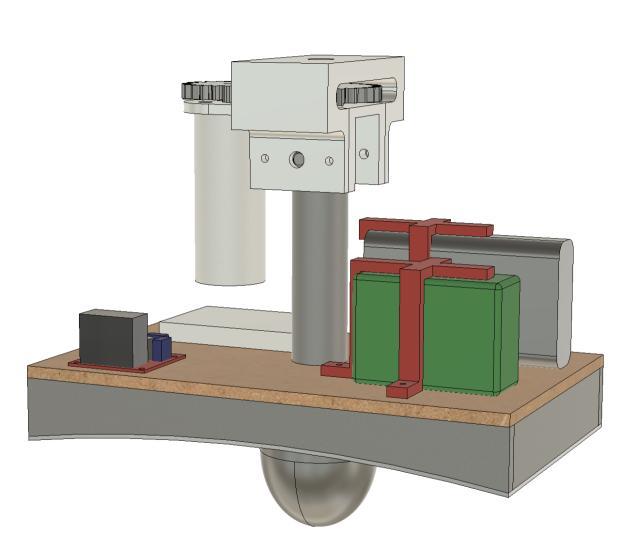
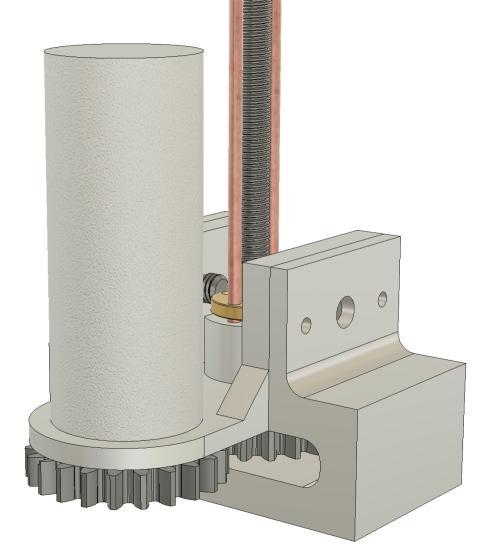
QuAC is a proof-of-concept device developed to automate external aortic compression during postpartum haemorrhage. The four-month academic project combined input from healthcare professionals, mechanical product development, a custom linear actuator, wireless control and full-system prototyping.
- Discipline
- PRODUCT DEVELOPMENT / MECHATRONICS / PROTOTYPING
- Course
- TMM4121 — Product Development
- Project type
- academic
- Period
- Spring 2025 · 4 months
- Evidence
- Control code + Technical report
- Team
- 13 mechanical engineering students
- My role
- Mechatronics


01 / Engineering challenge
The system behind the project
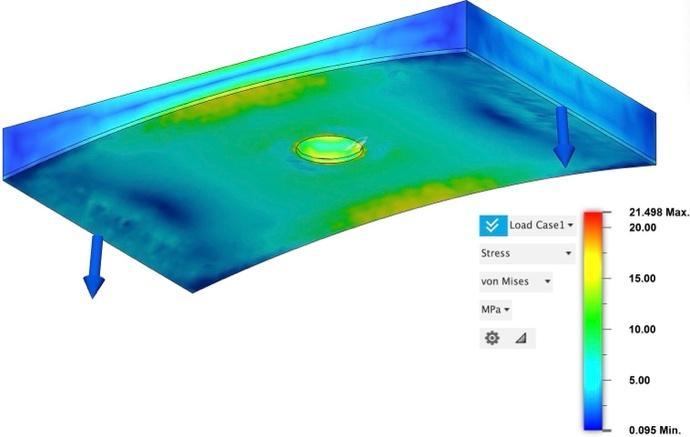
The concept had to translate a clinically informed target into a controllable mechanical system: approximately 40 kg of compression force, rapid setup, remote operation and compatibility with different hospital beds. This was a student proof of concept, not a certified medical device, so safety limitations and unverified clinical use must remain explicit.
02 / My responsibility
What I personally worked on
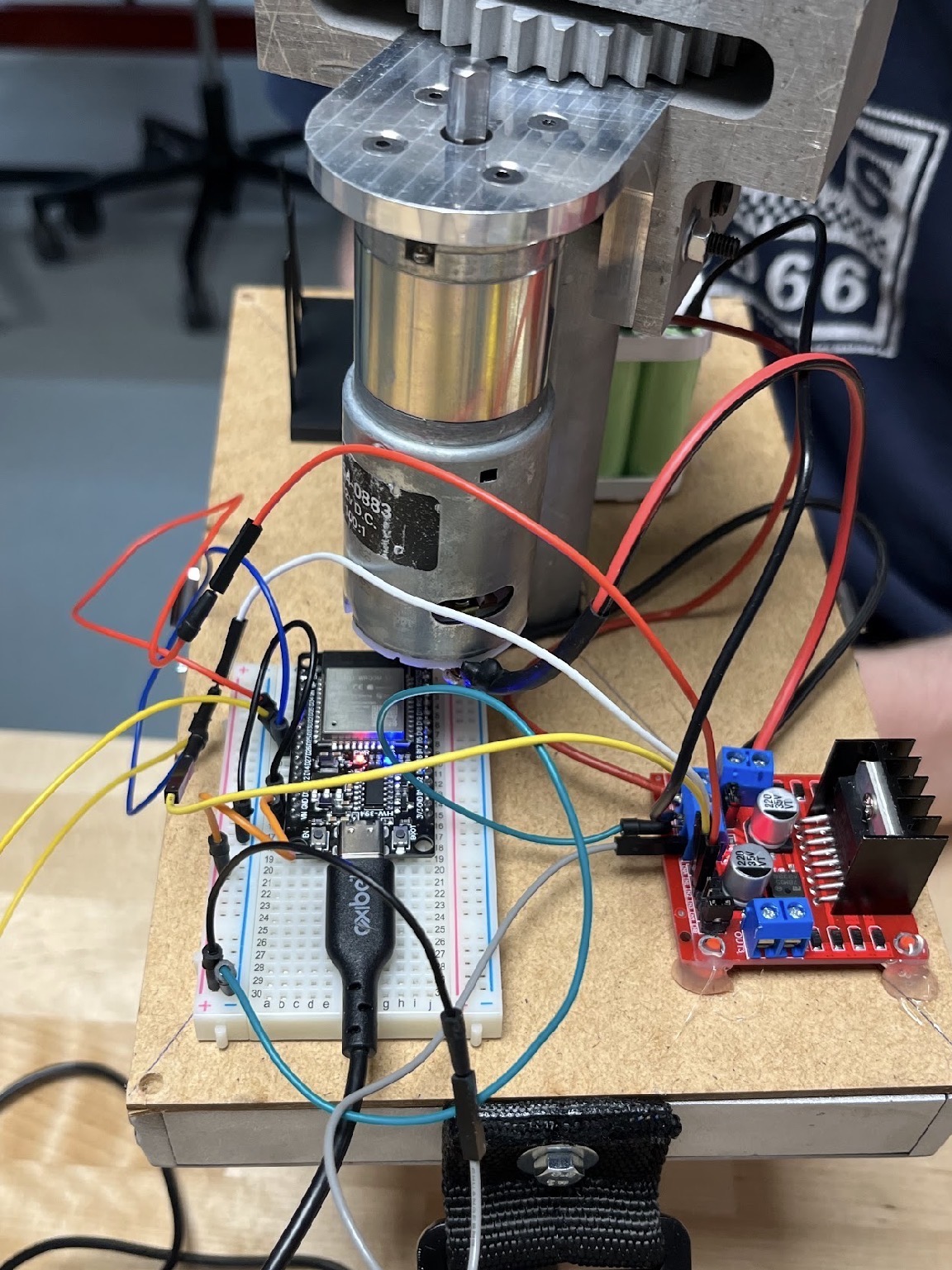
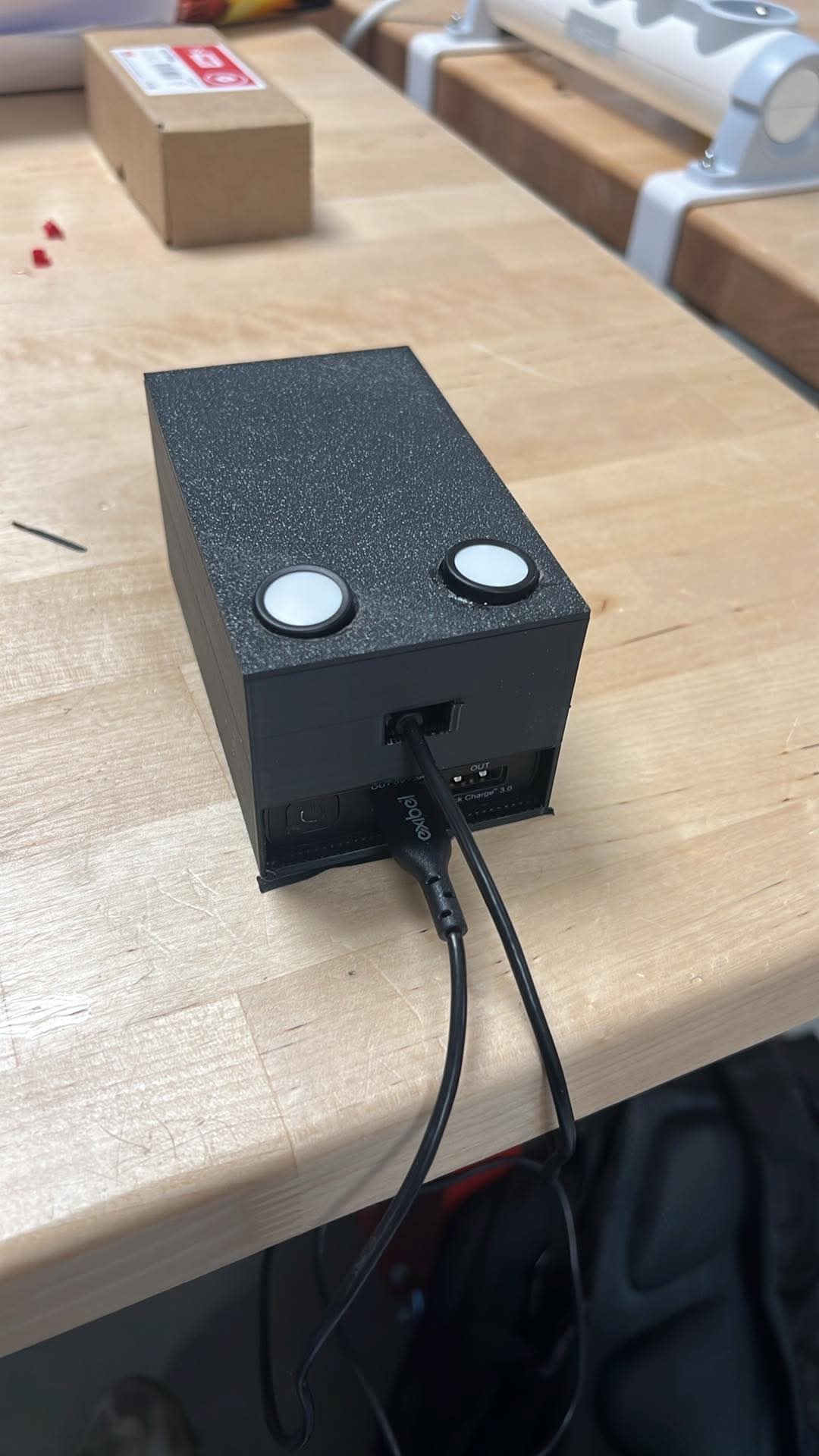
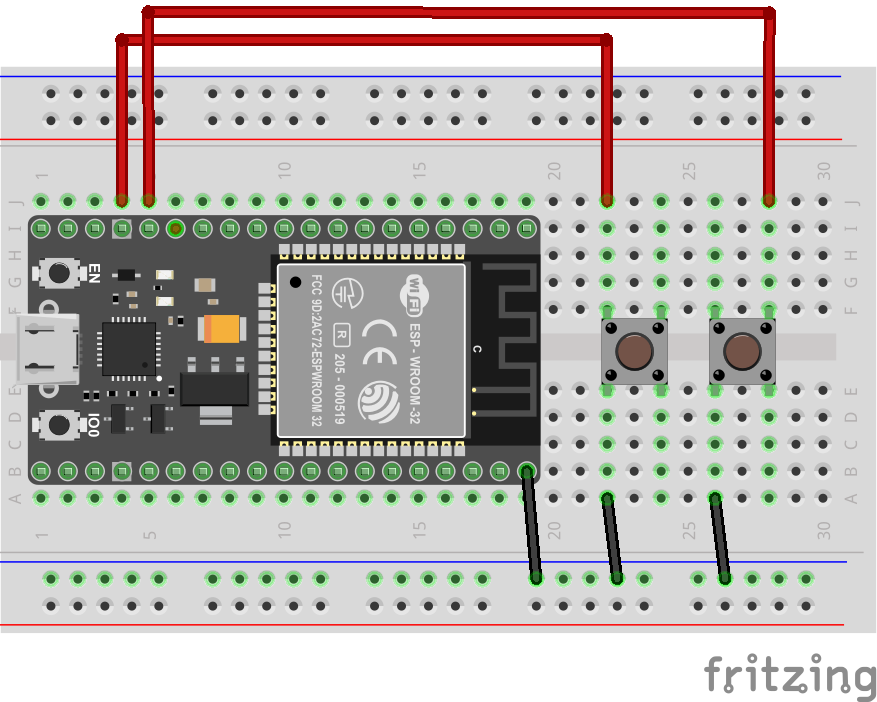
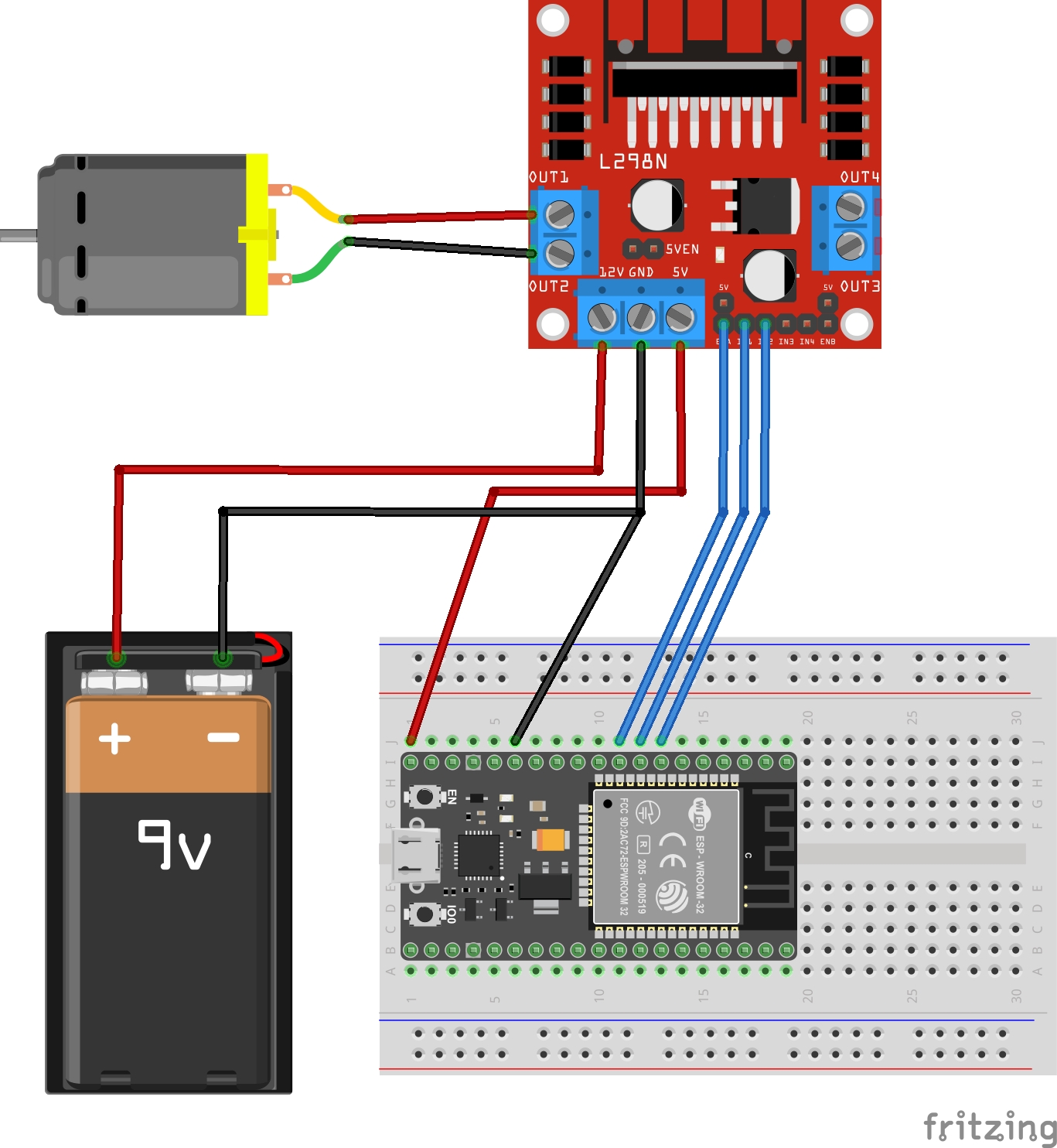
My assigned responsibility in the two-person mechatronics sub-team was electronic components, programming and implementation in the physical product. I worked on the two-ESP32 wireless architecture, ESP-NOW communication between the handheld controller and motor unit, button-based direction control, motor-driver integration and full-system testing with the mechanical and production teams.
Engineering focus
- — Wireless actuator control
- — Electronics integration
- — Prototype manufacturing
- — Full-system testing
Tools and methods
03 / Design and implementation
From concept to working system
- 01
Translate stakeholder input into prototype requirements, including a target compression force above 40 kg and remote operation.
- 02
Develop ESP-NOW communication between two ESP32 nodes, progressing from basic value transfer to button commands for actuator direction.
- 03
Integrate the 12 V geared DC motor, L298N driver, battery supply and electronics into the custom leadscrew actuator.
- 04
Test the complete assembly, troubleshoot motor-driver heating and controller issues, and verify maximum force using a scale-based test setup.
04 / Testing and outcome
What the work demonstrated
The integrated prototype achieved a highest measured force of 45.8 kg, exceeding the 40 kg prototype requirement by 5.8 kg (14.5%). The remote ESP-NOW controller simplified operation, but testing also exposed important limitations: motor-driver overheating, no force sensor or closed-loop regulation, no dedicated emergency stop and no end-of-travel protection. These results support the prototype objective while showing that substantial safety engineering and verification would be required before any clinical application.
05 / Next iteration
How I would develop it further
- 1Add force sensing and closed-loop force regulation with defined safe limits
- 2Implement a mechanical emergency release, electrical emergency stop and end-of-travel protection
- 3Replace the L298N with a more efficient motor driver and consolidate the power supply
- 4Perform structured verification, risk analysis and supervised human-factors evaluation