Case study 02
Tracked BattleBot Platform
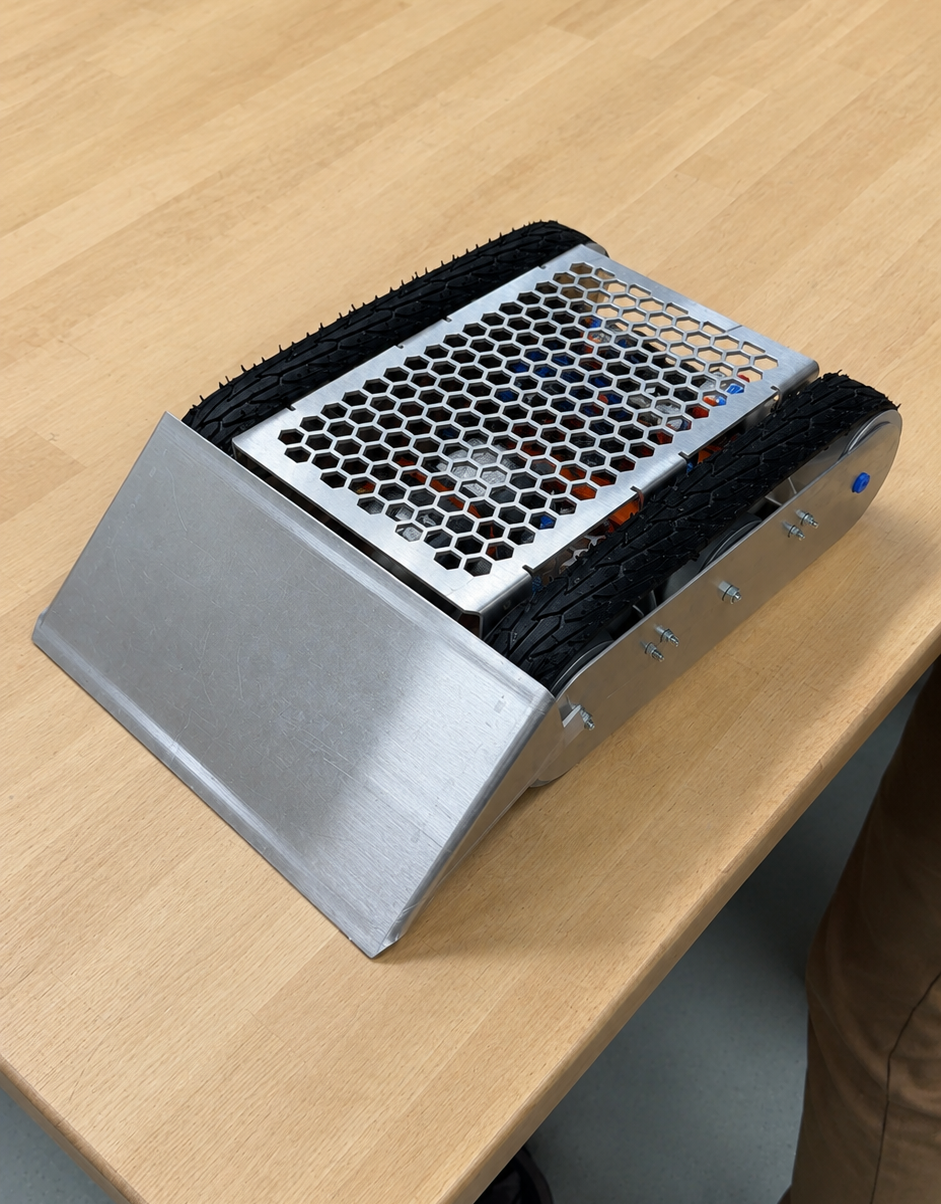
A remotely operated, sub-2 kg tracked competition robot developed as a complete mechatronic system. The team prioritised traction, robustness and a low wedge geometry for a mixed sand-and-metal arena.
- Discipline
- MECHATRONICS / EMBEDDED CONTROL / ROBOT DESIGN
- Course
- TMM4150 — Machine Design and Mechatronics
- Project type
- academic
- Period
- Autumn 2025
- Evidence
- Control code + Technical report
- Team
- 7 mechanical engineering students
- My role
- Electronics and programming
01 / Engineering challenge
The system behind the project
The platform was treated as one integrated engineering system: drivetrain, chassis, electronics, power and control had to work together under practical manufacturing and assembly constraints.
02 / My responsibility
What I personally worked on
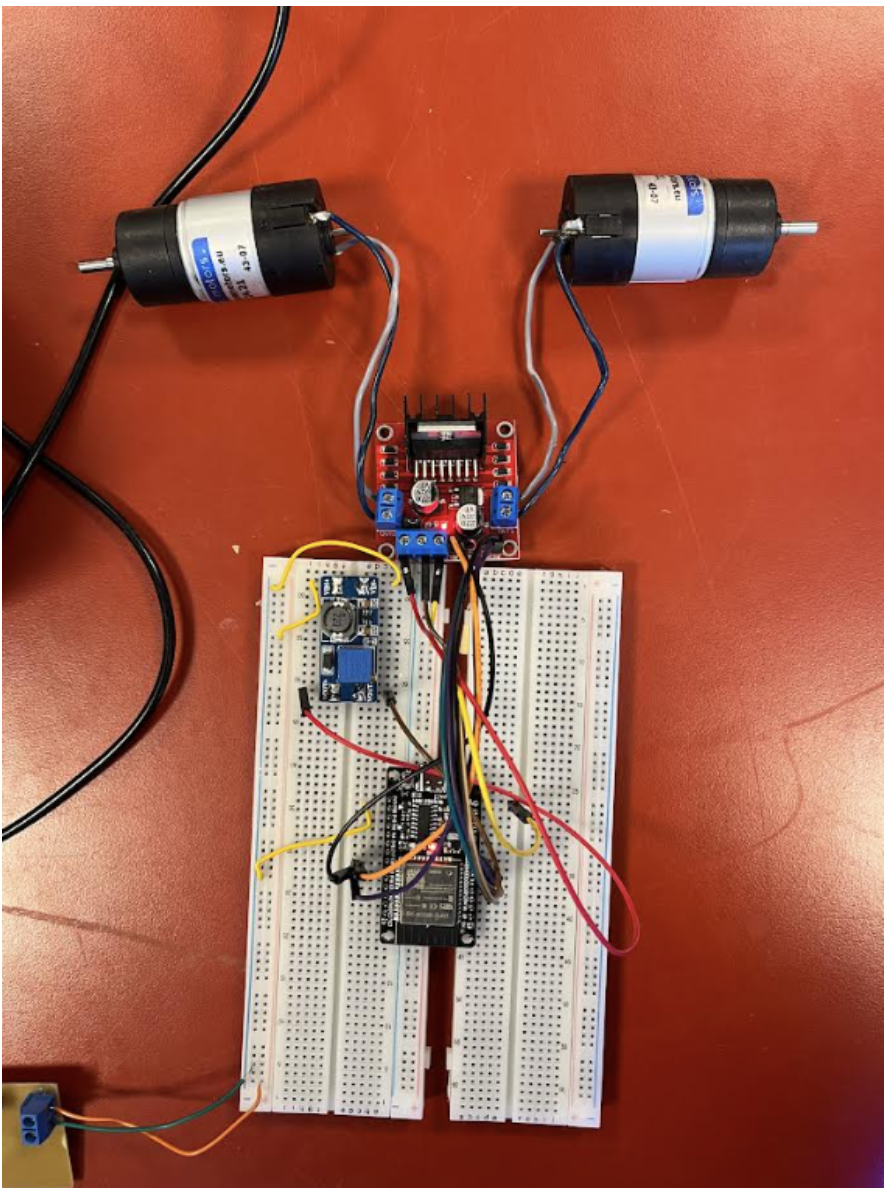
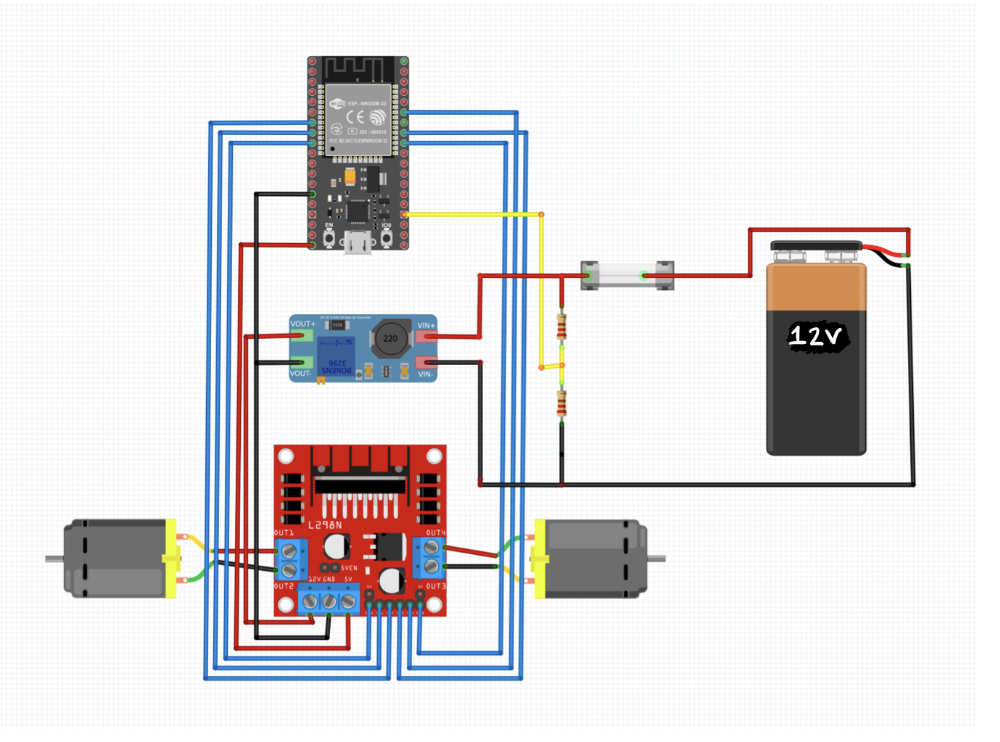
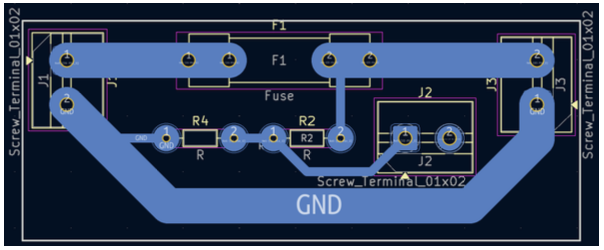
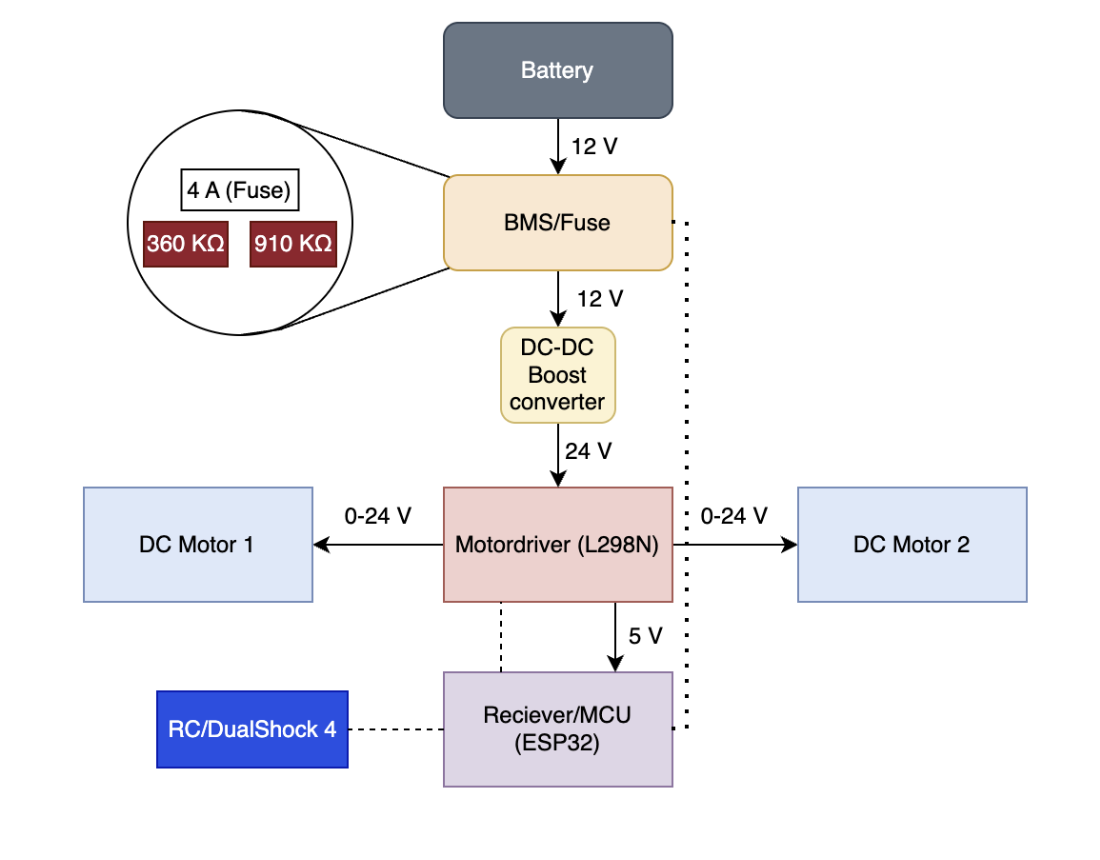
My documented primary responsibility was electronics and programming. Together with Malte vor dem Esche, I developed the embedded control software. My contributions included ESP32 implementation, DualShock 4 integration, motor-control logic, differential steering, turn-in-place and crawl modes, PCB development, electronics testing and system integration.
Engineering focus
- — Tracked drive control
- — Wireless operation
- — Embedded programming
- — Mechanical integration
Tools and methods
03 / Design and implementation
From concept to working system
- 01
Prototype Bluetooth pairing, controller input, motor direction and PWM response before integration.
- 02
Map analog throttle and steering inputs into independent left- and right-track commands with a steering dead zone.
- 03
Implement turn-in-place and reduced-speed crawl modes, then integrate battery sensing and the protection PCB.
- 04
Test the complete electronics and drivetrain, tuning steering response and low-speed behaviour before competition.
04 / Testing and outcome
What the work demonstrated
The robot was completed and entered the competition, but lost its first match after becoming wedged between the opponent and the arena wall. Post-competition evaluation identified insufficient drivetrain torque, excessive friction and a suboptimal length-to-width ratio as the main limitations. The electronics provided wireless differential drive, crawl mode and on-the-spot turning, demonstrating why geometry, drivetrain sizing and control must be validated as one system.
05 / Next iteration